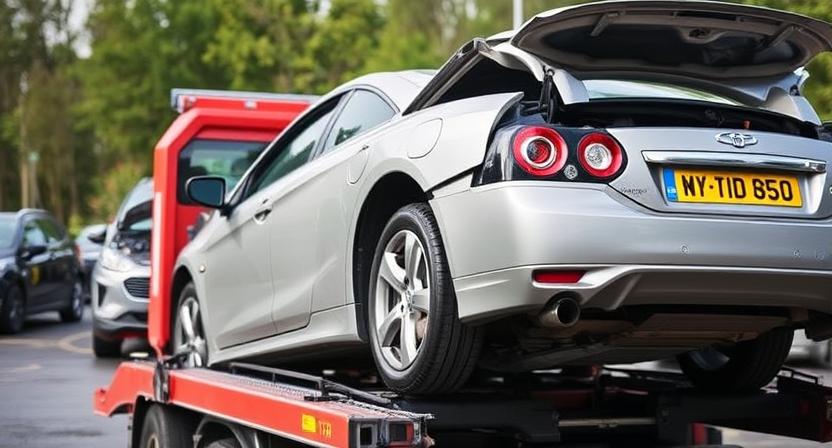
If you live in Bolton or commute from Pendlebury, you know the A666. Officially known as St Peters Way, locals have a different name for it: “The Devil’s Highway.”
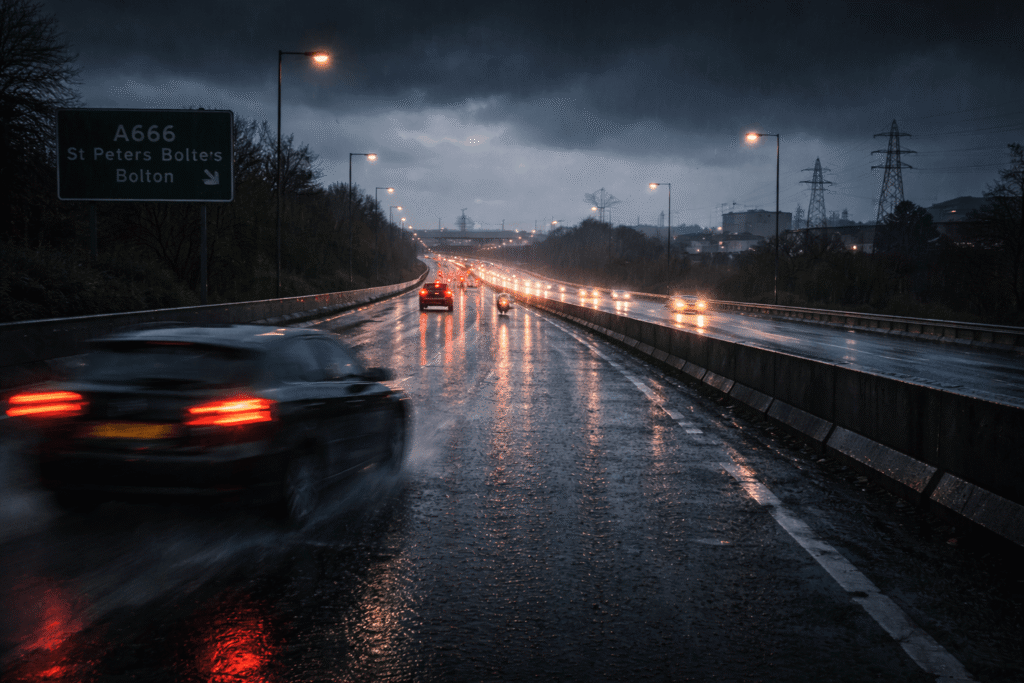
It’s a critical artery connecting the M60 at Kearsley to the heart of Bolton, but it is also one of the most unforgiving stretches of road in Greater Manchester. With high accident rates, aggressive merging traffic, and notoriously narrow lanes, a breakdown here isn’t just an inconvenience—it is a genuine emergency.
At Swift Tyre Towing, we perform breakdown recovery on the A666 daily. We know every inch of this tarmac. This guide is designed to help you survive a breakdown on St Peters Way, locate the safest stopping points, and understand why local knowledge saves lives.
If you are in Emergency Call us Now by clicking on button.
What Makes St Peters Way So Dangerous?
To understand how to stay safe, you first have to respect the road. The A666 presents a unique set of challenges that confuse even experienced drivers. It is not quite a motorway, but it is certainly more than a standard dual carriageway.
1. The “Urban Motorway” Speed Trap
Technically, much of the A666 has a 50mph speed limit. However, the road design encourages higher speeds, often leading to tailgating. When a car breaks down in a live lane here, the reaction time for the driver behind is minimal.
2. The Missing Hard Shoulder
Unlike a standard motorway, large sections of St Peters Way do not have a continuous hard shoulder. There are intermittent lay-bys (which we will cover below), but often, drivers are forced to stop in live lanes or on narrow verges. This makes St Peters Way accident help difficult for standard recovery trucks to access without police assistance.
3. The Slip Road Lotteries
The on-ramps and off-ramps, particularly around Farnworth and Kearsley, are incredibly short. Drivers have to accelerate hard to merge, while existing traffic rarely moves over. A mechanical failure during a merge here is one of the most dangerous scenarios a Bolton driver can face.
Lay-by Locations: Where to Stop Between Kearsley and Bolton
If your engine light starts flashing or you feel a tyre blow, your primary goal is to get off the live carriageway. Do not stop in the lane unless the vehicle physically will not move.
We have mapped out the safest spots. Memorize these roughly; knowing a lay-by is 200 yards away can give you the confidence to coast to safety rather than slamming on the brakes.
Northbound (Kearsley towards Bolton Town Centre)
- The Kearsley Rise: Just after the M60 roundabout, the road climbs steeply. There is a small verge here, but try to push toward the Farnworth exit if possible.
- Post-Farnworth Straight: Between the Farnworth exit and the Raikes Lane turn-off, there is a designated emergency lay-by. This is your safest bet before hitting the narrow bridge sections.
Southbound (Bolton towards Manchester/Pendlebury)
- The Town Centre Merge: As you join St Peters Way from Topp Way or Turton Street, the lanes are tight. Avoid stopping here at all costs.
- The Raikes Lane Dip: There is a lay-by situated shortly after the Raikes Lane on-ramp. This is crucial because traffic speed increases significantly here as the road opens up toward the M61/M60 split.
Pro Tip: If you make it to a lay-by, pull as far to the left as possible. Turn your wheels to the left (away from traffic). If you are hit from behind, this ensures your car is pushed into the verge, not back onto the A666.
Danger Zones: The Raikes Lane Trap
We cannot talk about breakdown recovery on the A666 without mentioning Raikes Lane.
The exit and entry for Raikes Lane (serving the industrial estate and waste recycling centre) are notorious. The slip roads are incredibly tight curves with poor visibility.
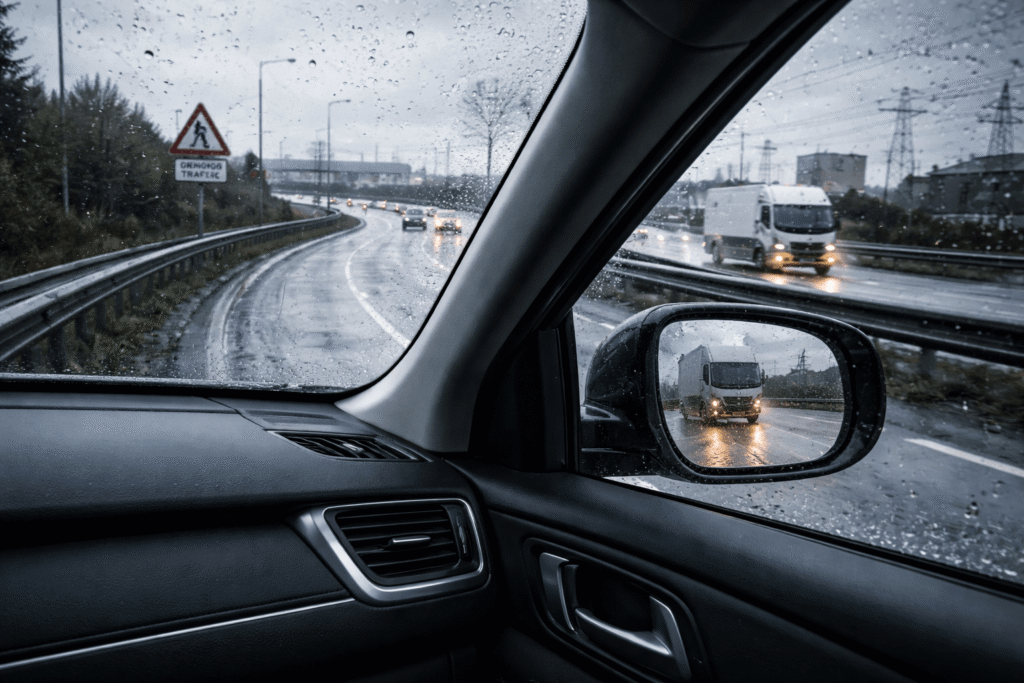
- The Risk: Heavy lorries often enter slowly here, while cars in the left lane are doing 50mph+.
- The Breakdown Scenario: If you break down near this junction, you are in a blind spot.
What to do:
If you break down near the Raikes Lane curve, get out of the vehicle immediately (via the passenger side) and get behind the crash barrier. Do not wait inside the car for a tow truck. The risk of a rear-end collision here is higher than anywhere else on the route.
Breakdown Cost Calculator
Worried about the cost of recovery? We believe in transparency. Use our calculator below to get an estimated quote based on your vehicle type and location.
Swift Tyre Towing
Get an Instant Recovery Quote
Your Step-by-Step Survival Plan
If the worst happens, follow this semantic safety flow designed for high-speed dual carriageways:
- Lights On: Activate hazard lights immediately. If it's dark or raining, keep your sidelights on.
- Exit Left: If you cannot reach a lay-by, pull as close to the left verge as possible.
- Evacuate: Leave the vehicle through the passenger doors. Never open the driver's door into traffic on the A666.
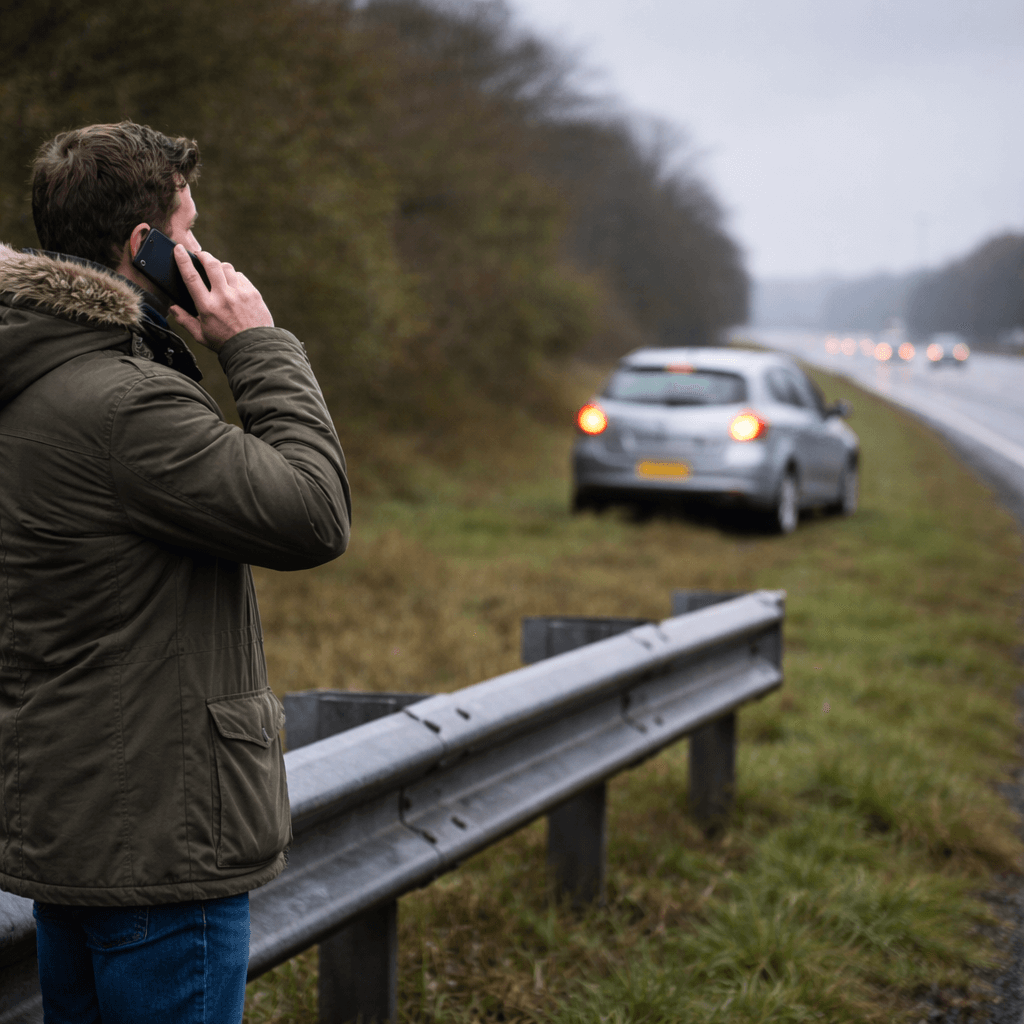
- Find High Ground: Move behind the crash barrier and stand upstream of traffic (behind your car relative to oncoming cars).
- Call for Help: Do not use a mobile phone while standing on the road surface. Once you are safe behind the barrier, call Swift Tyre Towing.
Why Swift Tyre Towing Reaches St Peters Way Faster
When you are stranded on the "Devil's Highway," every minute feels like an hour. You need towing in Bolton that understands the urgency of the A666.
Here is why national breakdown chains often fail on this road, and why Swift Tyre Towing succeeds:
1. Strategic Location in Pendlebury
We are not dispatching from a call centre in another city. Our base in Pendlebury allows us to access the Kearsley roundabout (the gateway to the A666) in minutes. We can hit the southbound or northbound carriageways faster than almost anyone else.
2. We Know the Shortcuts
If St Peters Way is gridlocked due to your breakdown, a recovery truck coming from the wrong direction will get stuck in the same traffic. We know the local access points via Burnden Way and Manchester Road to reach you without getting caught in the tailback.
3. Equipment for Narrow Lanes
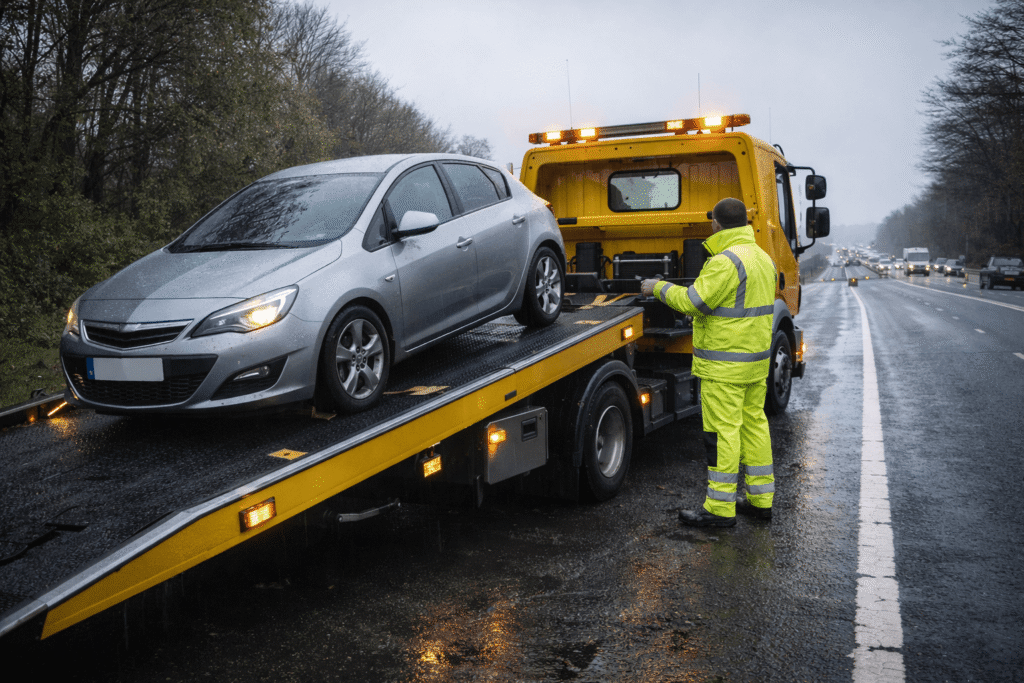
Some massive recovery rigs struggle with the narrow lanes of the A666. We utilize versatile flatbeds and rapid response vehicles designed for urban recovery, ensuring we can load you up and get you off the danger zone quickly.
4. Direct Communication
When you call us, you speak to a dispatcher who knows where "Raikes Lane" or "The Kearsley Roundabout" is. No explaining GPS coordinates to a robot. We offer immediate St Peters Way accident help.
A Note on Smart Motorways vs. The A666
Many drivers confuse the A666 with a Smart Motorway. It is not.
There is no "Red X" system to close lanes instantly if you break down. This means other drivers will not be warned you are there until they see you. This lack of technology makes the A666 arguably more dangerous than the M60.
This is why we treat A666 calls as Priority Red. If you tell us you are on St Peters Way, you jump the queue.
FAQ: A666 Breakdown Recovery
Q: Can you tow me if I'm stuck in the outside (fast) lane?
A: If you are in the right-hand lane, this is a police emergency. Call 999 immediately. The police will need to create a rolling roadblock. We can recover the vehicle once the police have secured the scene.
Q: Do you cover the M61 slip roads nearby?
A: Yes. Whether you are on the A666, the M61, or the M60 Kearsley interchange, we cover the entire Bolton and Pendlebury network.
Q: My car won't start; can you fix it roadside on the A666?
A: Due to the danger of the road, we rarely attempt complex roadside repairs on the A666 live lanes. The safest procedure is "Swoop and Scoop"—we tow you to a safe location (like a nearby industrial estate or your home) and perform diagnostics there.
Don’t Wait on the Devil’s Highway
The A666 is unforgiving. If you are broken down between Kearsley and Bolton, safety is your only priority. Do not risk waiting for a national provider who might be an hour away.
For immediate Breakdown recovery on the A666 or Towing in Bolton: